Maya Font: Sweet Minimalism for Modern Design
Every designer knows the challenge of finding a typeface that feels both fresh and functional, a font that communicates personality without sacrificing clarity. This is where Maya steps in, offering a sweet blend of minimalism and fun that can instantly elevate a creative project.
Understanding the Visual Appeal of Maya
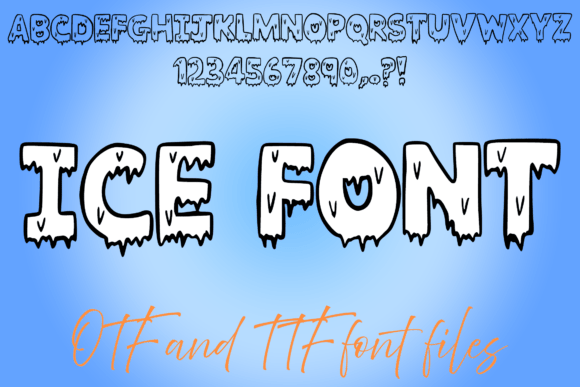
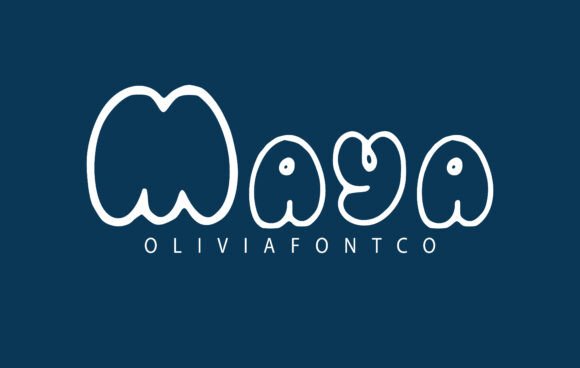
Maya is an outline-style display font defined by its soft, rounded outlines and playful, childlike charm. In the landscape of modern graphic design, where brands compete for attention with warmth and authenticity, this style of typography is invaluable. It provides an immediate visual cue of approachability and creativity. Unlike heavy, industrial sans-serifs, Maya communicates a sense of joy and ease, making it a powerful tool for visual designers aiming to create an emotional connection with their audience.
The Role of Typography in Brand Identity
Typography is a cornerstone of brand identity. The fonts you choose tell a story before a customer reads a single word. Selecting a typeface like Maya signals that a brand is modern, friendly, and perhaps a bit whimsical. It helps establish a distinct voice that stands out in a crowded market. When used correctly, it strengthens brand recognition and ensures that every touchpoint—from a website header to a social media post—feels cohesive and intentional.
Practical Applications for Creative Projects
The versatility of an outline font like Maya allows it to shine across numerous design applications. Its clean lines ensure legibility while its unique character adds a decorative flair that solid fills often lack. Here are several practical ways to integrate Maya into your design workflow:
- Logo Design and Branding: Use Maya to create memorable wordmarks that feel light and airy. Its outline nature allows for creative layering with colors or imagery behind the text.
- Apparel and Merchandise: The playful charm makes it ideal for t-shirt graphics, tote bags, and stickers where a casual, trendy aesthetic is desired.
- Poster and Editorial Design: Large-scale headings in Maya can grab attention without overwhelming the layout, perfect for magazine covers or event posters.
- Social Media Graphics: In the fast-paced world of digital marketing, Maya helps create eye-catching stories and posts that feel contemporary and engaging.
- Web and UI Design: While primarily a display font, Maya can be used for specific UI elements like buttons or hero section titles to inject personality into a user interface.
- Packaging Design: For products targeting a younger demographic or those emphasizing natural, organic, or fun ingredients, this font style communicates the right values instantly.
Tips for Effective Implementation
While Maya brings a lot of character to the table, effective visual design requires thoughtful implementation. To maintain a professional presentation and ensure your message is received clearly, consider the following factors:
- Prioritize Readability: Display fonts are best used for headlines and short bursts of text. Avoid using Maya for long paragraphs of body copy where legibility is paramount. Pair it with a simple, clean sans-serif for supporting text to maintain a strong visual hierarchy.
- Manage Scalability: Outline fonts can sometimes lose impact at very small sizes. Test your designs across different devices and print sizes to ensure the outlines remain crisp and the text stays readable.
- Color and Contrast: Because Maya features an outline style, the background color plays a significant role in the final look. High contrast is essential. Consider using bold color palettes to fill the space within the letters or let the background texture show through for a layered effect.
- Consistency is Key: Ensure that the playful tone of Maya aligns with the rest of your visual communication. If your brand voice is strictly corporate and formal, this font might create a disconnect. However, for brands embracing a modern, human-centric approach, it is a perfect fit.
Elevating Design with Thoughtful Assets
In the realm of creative assets, the right typography acts as a bridge between a concept and its realization. Choosing a font like Maya is not just about aesthetics; it is about solving communication problems with style. It allows designers, marketers, and business owners to inject energy into their projects without needing complex illustrations or heavy graphics. By prioritizing quality assets that offer both beauty and utility, you streamline your design workflow and ensure that your final output—whether digital or print—resonates with your audience and achieves its strategic goals.