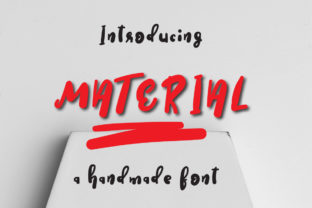
Material: Bold Display Font for Standout Design
Imagine a font that doesn't just sit on the page but leaps off it, instantly commanding attention and infusing your project with undeniable energy. That's the power of a well-chosen display typeface, and it's precisely what the Material font delivers. In the crowded landscape of graphic design, where first impressions are everything, having a tool that guarantees visual impact is invaluable. Material is a fun and bold display font designed to transform any creative idea from ordinary to extraordinary, making it a essential asset for designers, marketers, and creators aiming for standout results.
Understanding the Role of Bold Typography in Modern Design
Typography is the voice of your visual design. While body text focuses on readability, display fonts like Material are all about personality, emotion, and immediate recognition. They are the cornerstone of strong visual hierarchy, guiding the viewer's eye and setting the tone for the entire brand identity. In today's fast-paced digital marketing environment, a bold, distinctive font can be the difference between blending in and capturing a user's fleeting attention. Material's character is built for this purpose, offering a dynamic aesthetic that supports modern, high-impact communication.
Practical Applications: Where Material Truly Shines
The versatility of a well-crafted display font allows it to enhance a wide array of creative projects. Material isn't just a single-use tool; it's a creative catalyst across multiple domains.
- Branding and Logo Design: A logo needs to be memorable. Material's unique forms can help create a logotype that stands out in a competitive market, forming a strong foundation for your entire brand identity.
- Marketing Materials: From posters and flyers to digital ads, Material grabs attention in high-noise environments, ensuring your key message is seen first.
- Social Media Content: In endless scrolls, bold typography stops thumbs. Use Material for impactful quotes, announcements, and campaign graphics to boost engagement.
- Website and UI Design: Apply it to hero sections, headers, or call-to-action buttons to create focal points that enhance user experience and direct visitor flow.
- Packaging Design: On shelf or in an unboxing video, Material can give product packaging a confident, contemporary edge that appeals to target audiences.
- Editorial and Presentation Design: Make magazine covers, report titles, or slide deck headers impossible to ignore, adding a layer of professional polish and creative flair.
Tips for Selecting and Using Display Fonts Effectively
Choosing a font like Material is just the first step. Using it effectively requires strategic thinking to ensure it enhances rather than hinders your design goals.
Prioritize Context and Readability. A display font is not for body text. Use Material sparingly for headlines, subheads, or short impactful phrases. Always pair it with a clean, neutral typeface for longer passages to maintain clarity and a balanced visual hierarchy.
Align with Brand Personality. Does your brand's voice resonate with Material's fun and bold character? Ensure the font's personality matches the emotions and values you want to convey—whether that's energetic, innovative, playful, or authoritative.
Consider Scalability and Compatibility. Test how the font performs at various sizes, from a small social media icon to a large banner. Also, evaluate how it interacts with your existing color palette, imagery, and other design elements to create a cohesive system.
Focus on Creative Application. Don't just drop the font in. Experiment with kerning, leading, and creative layouts. Sometimes, a slight adjustment in spacing or a thoughtful composition with imagery can amplify the font's impact tenfold.
Ultimately, the strength of any design lies in the intentionality behind its choices. Investing in high-quality creative assets like the Material font is an investment in clear, powerful communication. It empowers you to move beyond generic templates and craft visuals that resonate, engage, and leave a lasting impression, proving that thoughtful typography is not just an aesthetic detail, but a fundamental component of successful design.